As energy costs rise and environmental awareness grows, more homeowners and builders are looking for better ways to heat and cool their homes—without relying heavily on fossil fuels. That’s where sustainable heating and cooling systems come in. These solutions offer a smarter, cleaner, and often more cost-effective way to stay comfortable year-round.
Whether you’re upgrading an older home or designing a new build, switching to eco-friendly heating and cooling is one of the most impactful ways to lower your carbon footprint and utility bills—all while creating a healthier indoor environment.
Why Switch to Sustainable Heating and Cooling?
Traditional HVAC systems are often inefficient and powered by fossil fuels, leading to high energy use and greenhouse gas emissions. Sustainable alternatives are designed to:
- Reduce energy consumption and carbon emissions
- Improve indoor air quality
- Lower monthly utility bills
- Boost your home’s resale value
- Qualify for tax incentives or rebates
In 2025 and beyond, these upgrades aren’t just nice to have—they’re becoming essential.
Top Sustainable Heating and Cooling Systems
Looking for greener, more efficient climate control? Here are the best systems available today:
1. Air-Source Heat Pumps
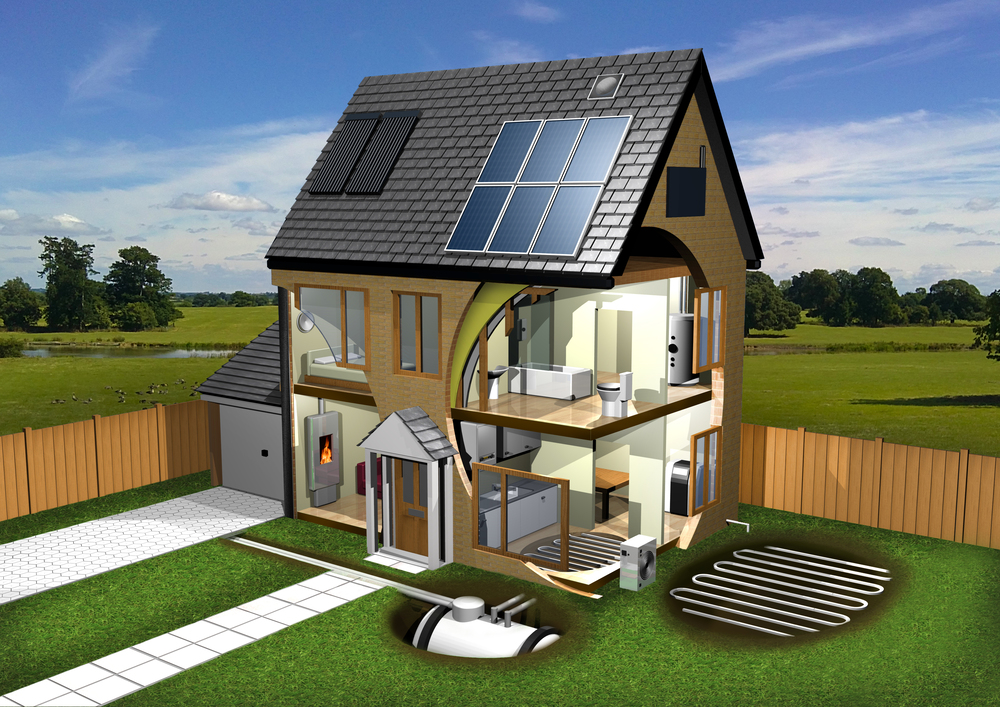
Heat pumps don’t create heat—they move it. This makes them incredibly efficient, often delivering up to 3x more energy than they consume. They handle both heating and cooling, making them a versatile option for most climates.
2. Ground-Source (Geothermal) Heat Pumps
These systems tap into the steady underground temperature to heat and cool your home. They work well in almost any climate, offer excellent efficiency, and can last over 25 years with minimal maintenance.
3. Radiant Floor Heating
Instead of blowing hot air around, radiant systems warm your home from the ground up. Tubes installed beneath the floors circulate warm water or electric coils, delivering even, quiet heating. It’s an ideal match for solar or geothermal energy.
4. Solar Heating Systems
Solar thermal collectors can help heat your home’s air or water supply. While they’re often used as a supplemental system, they can dramatically lower your heating costs—especially in sunny regions.
5. Smart Thermostats and Zoning
Smart thermostats learn your habits and adjust your heating and cooling automatically. Pair them with zoning systems, and you can heat only the rooms you’re using, saving energy and money.
Comparison Table: Sustainable Heating & Cooling Options
| System Type | Energy Source | Efficiency (COP/SEER) | Estimated Cost | Long-Term Savings | Best For |
|---|---|---|---|---|---|
| Air-Source Heat Pump | Electricity | COP 3.0–4.0 / SEER 16–22 | $4,000–$8,000 | High | Most climates |
| Ground-Source Heat Pump | Geothermal | COP 4.0–5.0 / SEER 25–35 | $10,000–$25,000 | Very High | Cold or mixed climates |
| Radiant Floor Heating | Electric / Hot Water | Low-temp efficient | $6,000–$14,000 | Medium–High | New builds or major remodels |
| Solar Thermal Heating | Sun | N/A (Supplemental) | $3,000–$10,000 | High | Sunny regions, hybrid setups |
| Smart Thermostats + Zoning | N/A (System add-on) | N/A | $200–$2,000 | Medium | Any home needing better control |
Additional Tips to Boost Sustainability
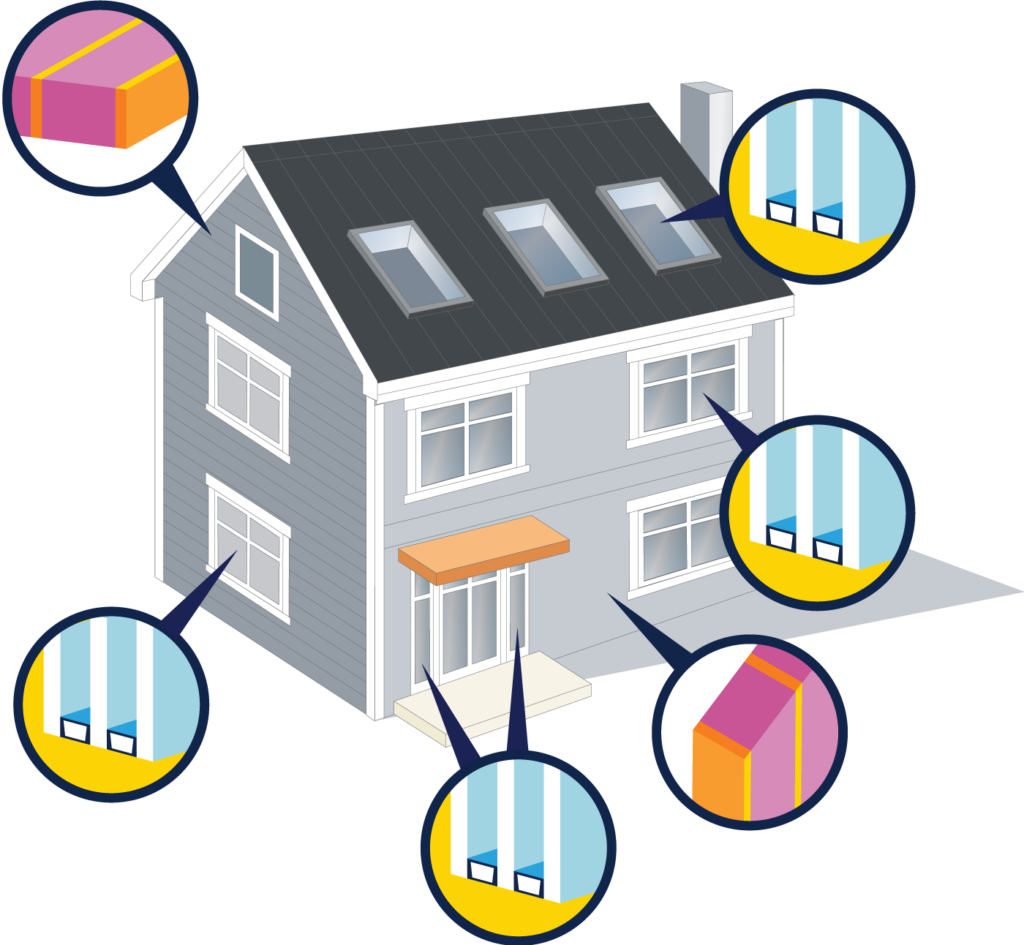
Even the most efficient system needs a well-sealed and insulated home to reach its full potential. Here are some ways to get the most out of your heating and cooling:
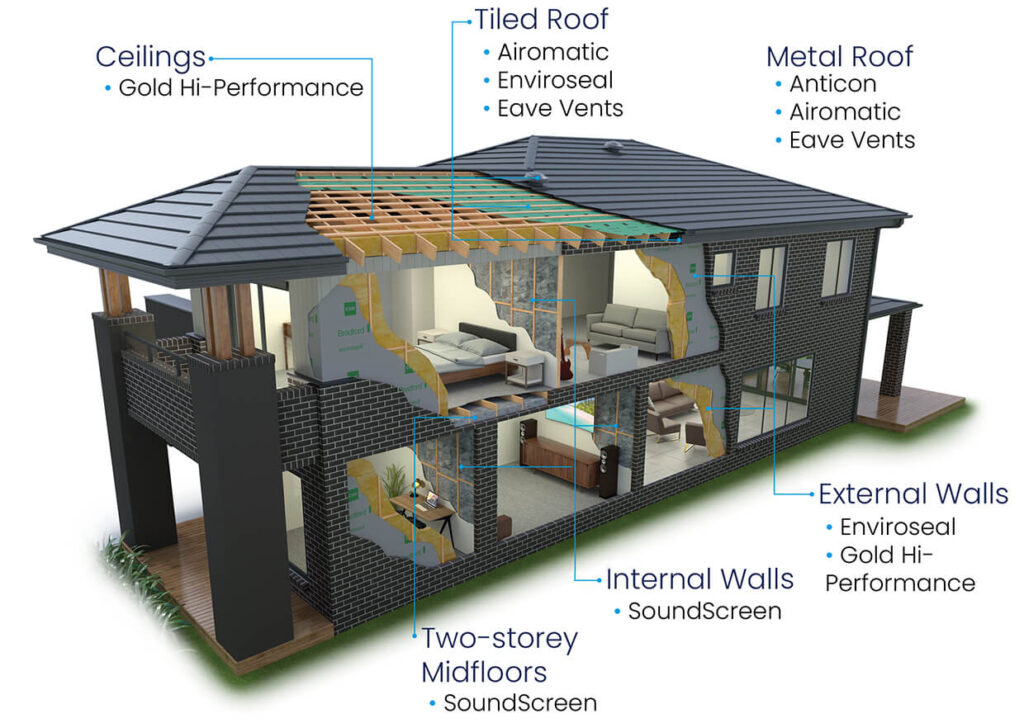
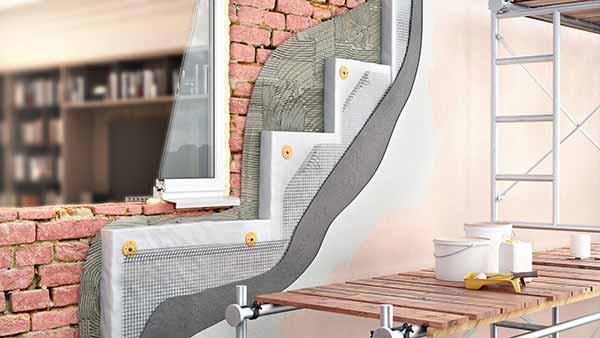
- Improve Insulation – Better insulation in your attic, walls, and floors keeps your home comfortable without overworking your HVAC.
- Seal Air Leaks – Gaps around windows and doors let heated or cooled air escape. Seal them to improve system performance.
- Use Ceiling Fans – In summer, they circulate cool air. In winter, reverse them to push warm air downward.
- Install Thermal Curtains – These can block summer heat and retain warmth in the colder months.
- Upgrade to Energy Star Systems – Always choose appliances certified for energy efficiency.
FAQ: Sustainable Heating and Cooling
What’s the most energy-efficient system overall?
Geothermal heat pumps offer the highest efficiency, though they come with a bigger upfront investment. Air-source heat pumps are more affordable and still offer excellent performance for most homes.
Are these systems expensive to install?
While some options cost more upfront, many sustainable systems pay for themselves within 5–10 years through energy savings—and some in even less time with tax credits or rebates.
Can I install these in my existing home?
Yes! Air-source heat pumps, smart thermostats, radiant heating (during remodels), and solar-assisted systems can all be added to existing homes.
Do these systems work in extreme weather?
Modern heat pumps and geothermal systems are built for all climates, including very cold or hot regions, thanks to advances in technology and insulation.
Are incentives available?
Absolutely. Many governments and local utilities offer rebates, tax credits, and low-interest loans for energy-efficient upgrades. Check your local programs before starting.
Final Thoughts
Switching to sustainable heating and cooling is one of the smartest ways to future-proof your home. These systems not only provide excellent comfort year-round but also help reduce your environmental impact and energy costs.
Whether you’re starting small with a smart thermostat or planning a full geothermal installation, every step brings you closer to a more efficient, eco-conscious lifestyle. Start with what you can—your wallet and the planet will thank you.





 ReplaceRemoveAdd an excerpt…